TearCare Dry Eye Treatment in NYC
TearCare combines controlled eyelid heating with manual gland expression to improve meibomian gland function in MGD-related evaporative dry eye. At Manhattan Eye, we assess your tear film and eyelid glands to build a treatment plan around your symptoms and daily needs.
When Your Tears Evaporate Too Quickly
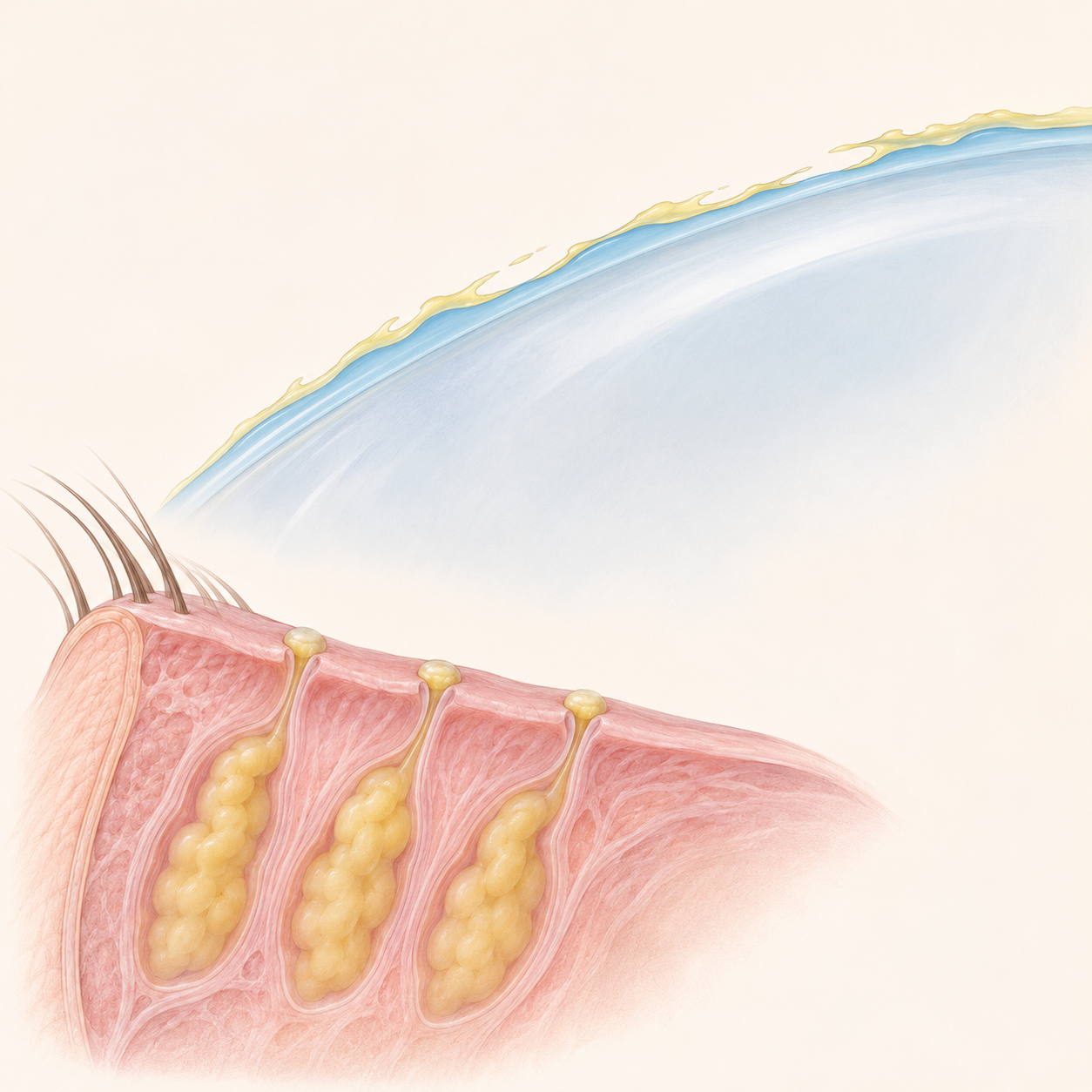
The oil layer of your tears helps protect your eyes between blinks. That oil comes from the meibomian glands in your eyelids. When the oil thickens or gland openings become blocked, your tears can evaporate too quickly, leaving your eyes dry, irritated or intermittently blurry.
TearCare addresses the gland-related part of this problem through heating and expression. We examine your eyes to identify MGD and any other factors contributing to your symptoms, then explain how gland-focused treatment fits into your care.
TearCare at a Glance
- Treatment type: An office procedure combining eyelid heating with manual gland expression.
- Targets: Meibomian gland dysfunction contributing to evaporative dry eye.
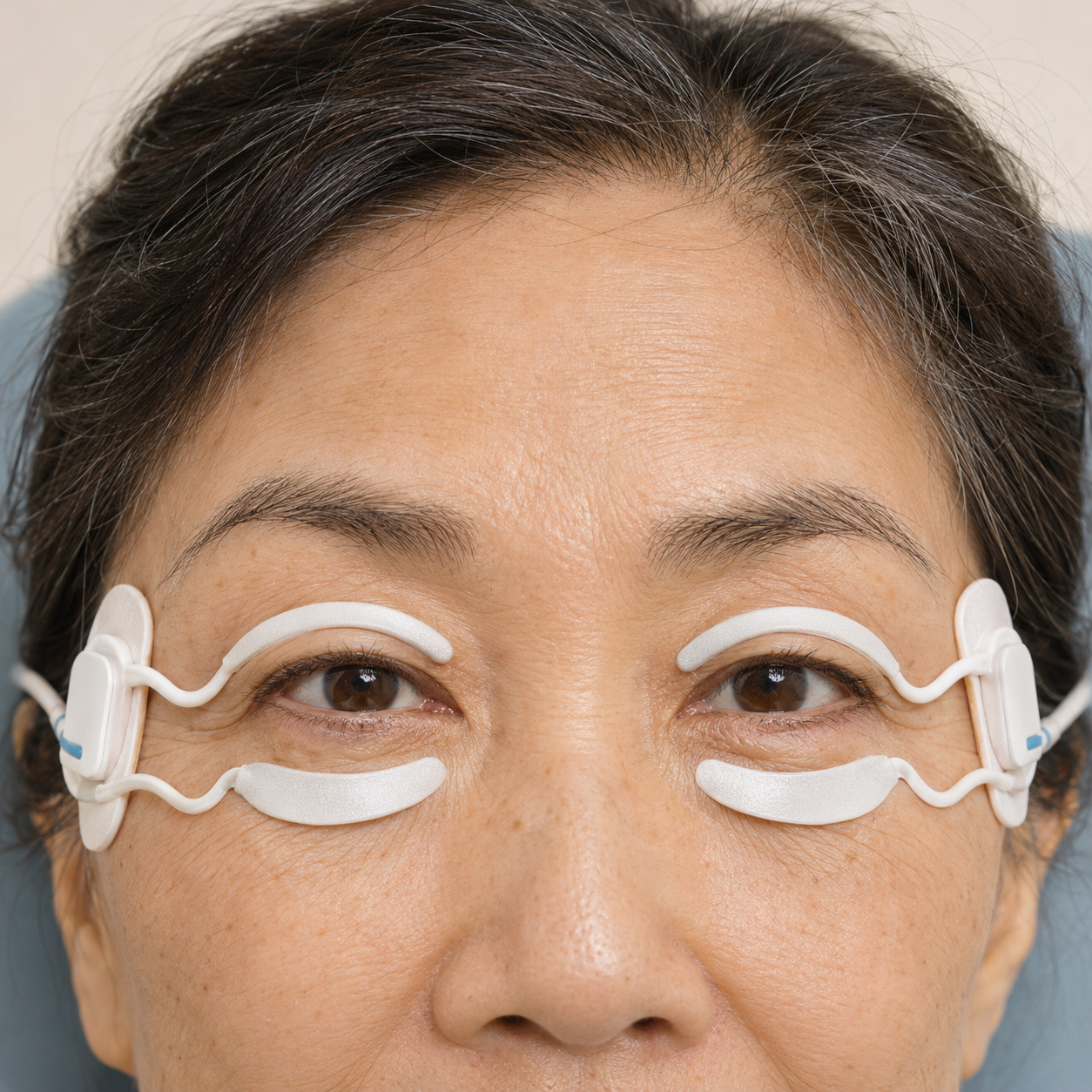
- What to expect: Flexible heating elements on your eyelids, followed by gland expression; the heating stage lasts about 15 minutes.
- Follow-up: We assess your symptoms and gland function to guide ongoing care.
How TearCare Helps Your Eyelid Glands
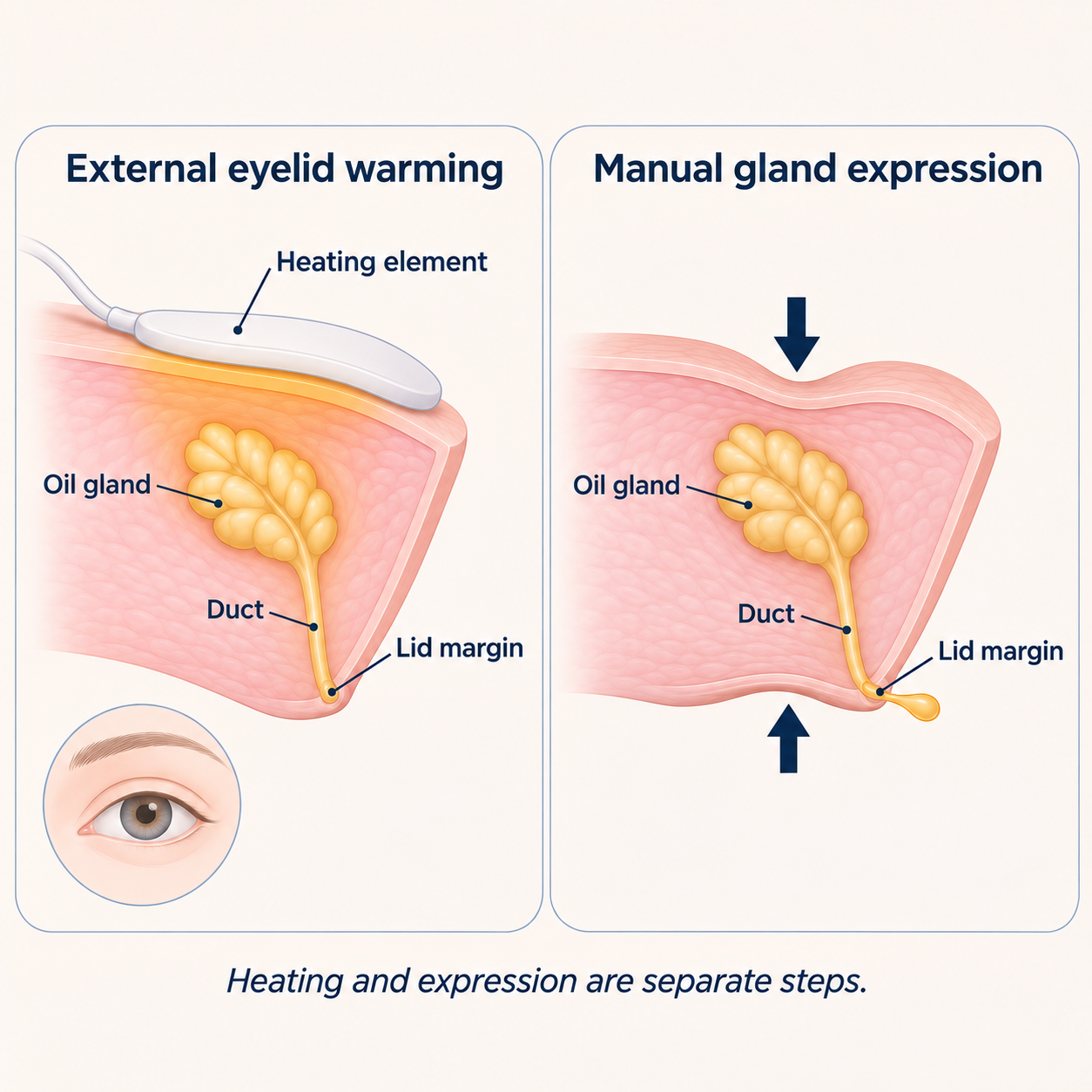
TearCare uses flexible heating elements called SmartLids on the outside of your upper and lower eyelids. Controlled warmth softens thickened oil within the meibomian glands while you keep your eyes open and blink naturally. The treatment prepares the oil for release through the gland openings.
We then remove the SmartLids and manually express the glands, applying pressure to your eyelids to help release the softened oil. Both steps matter: heating softens the secretions, and expression helps clear them. The aim is to improve gland function and support the oil layer that slows tear evaporation.

Potential Benefits and Realistic Expectations
Randomized studies comparing TearCare with other active treatments have reported improvements in tear-film stability, gland secretion and dry eye symptoms. These findings support its role in treating MGD-related evaporative dry eye through heating and manual gland expression.
The degree and duration of improvement differ between patients. We review your comfort and examination findings to guide the next steps, alongside prescribed drops, warm compresses or lid care where needed. Follow-up helps us tailor ongoing treatment to your response.
Who Is TearCare Treatment For?
TearCare is an option for adults aged 22 and older with MGD-related evaporative dry eye. If dryness, burning or fluctuating vision keeps returning, we can assess your eyelid glands and explain how treatment fits your needs.
We do not use TearCare with active infection, inflammation or irritation in or around the eye, an eye-surface ulcer, reduced facial or eye sensation, or previous herpes affecting the eye or eyelid. Other exclusions include eye or eyelid surgery within the last 90 days, a recent eye injury, a pacemaker or implanted cardiac defibrillator, and allergies to acrylate, silicone adhesives or copper. These are examples of the screening requirements; we review your history and examination against the full treatment instructions.
What to Expect at Your TearCare Visit
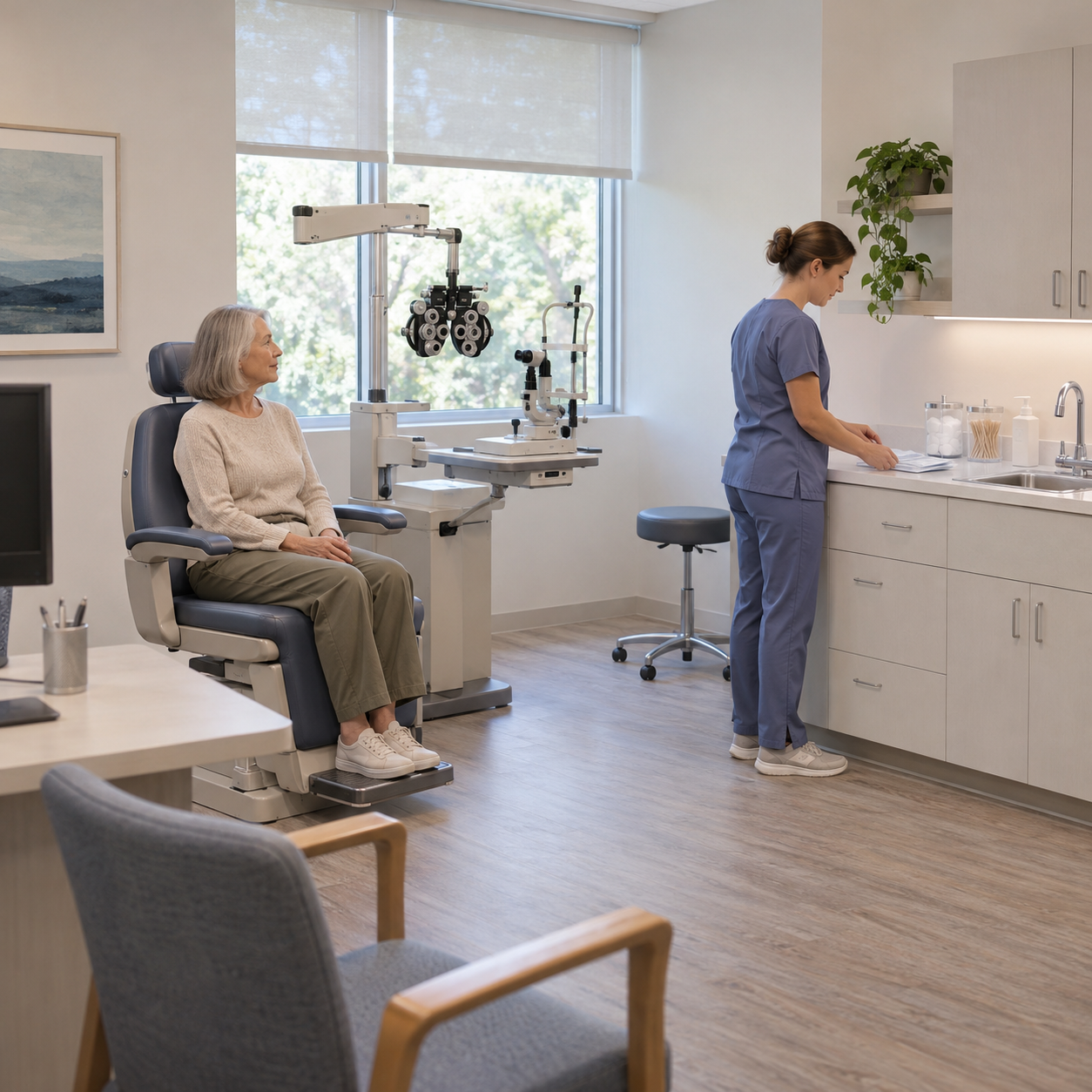
We begin by preparing your eyelids and attaching flexible SmartLids to the outside of your upper and lower lids. If you wear contact lenses, we ask you to remove them before treatment. During the controlled warming stage, you keep your eyes open and blink naturally.
Heating lasts about 15 minutes. We then remove the SmartLids and use numbing eye drops before manually expressing the glands to help release softened oil. You can feel warmth during heating and pressure during expression. Tell us if you feel discomfort so we can assess it.
Aftercare, Risks and Follow-Up
Redness, irritation, watering or blurred vision can occur. Other risks include burns, scratches to the eye surface, infection and adhesive reactions. Screening and careful treatment help manage these risks. We will explain your aftercare, including when to resume contact lenses if you wear them.
Contact us promptly for significant eye pain, a change in vision or worsening symptoms. Continue prescribed drops and home care unless we advise otherwise. At follow-up, we assess your tear film and gland function and discuss whether further treatment would be useful.

TearCare with Dr. Rapoport in NYC
Dr. Yuna Rapoport, MD, MPH, is a board-certified ophthalmologist with fellowship training in corneal and refractive surgery at Mass Eye and Ear of Harvard Medical School. She has also led clinical trials of dry eye medicines.
At Manhattan Eye, Dr. Rapoport assesses your tear film and eyelid glands to decide how TearCare fits your needs. We explain the heating and manual expression steps, discuss your comfort and preparation, and guide your follow-up alongside any prescribed drops and home care.
Frequently Asked Questions
TearCare: Frequently Asked Questions
How is TearCare different from RF and IPL?
TearCare uses heating elements attached to the eyelids, followed by manual gland expression. RF uses electrical energy to heat tissue, while IPL uses light to address inflammatory changes around the glands. We can explain which approach fits your findings, including when IPL and RF are considered together.
How often will I need TearCare?
We base further treatment on your symptoms, gland function and response. There is no single repeat-treatment schedule for everyone. Follow-up helps us decide when more office treatment or changes to your home care would be useful.
When can I wear contact lenses again?
Remove contact lenses before treatment and wait at least 60 minutes afterward before putting them back in. Follow any additional instructions we give you based on how your eyes feel and your examination.
Is TearCare FDA approved?
The TearCare System is FDA-cleared to improve meibomian gland function in adults with evaporative dry eye due to MGD when used with manual gland expression. We assess your suitability and explain the treatment before you proceed.


Discuss TearCare for Your Dry Eye
Schedule an evaluation at Manhattan Eye to understand your gland function and how TearCare fits your dry eye treatment plan.