Oxervate (Cenegermin) Eye Drops in NYC
Oxervate is a prescription eye drop that supports corneal healing in neurotrophic keratitis. Dr. Yuna Rapoport also considers it off-label for selected persistent corneal surface problems and very severe dry eye. At Manhattan Eye, we assess your diagnosis and healing needs to determine whether it fits your care.
Understanding Neurotrophic Keratitis
The cornea is the clear front surface of your eye. Its nerves help maintain a healthy surface and provide sensation. When those nerves are impaired, the cornea can lose sensitivity and develop damage that is slow to heal. This condition is called neurotrophic keratitis.
Reduced sensation means discomfort alone may not reveal how much care your eye needs. We examine the corneal surface and assess its sensitivity to understand the problem. Oxervate is FDA-approved for neurotrophic keratitis. Dr. Rapoport also considers it in selected cases of other persistent corneal surface problems and very severe dry eye. When prescribed for a condition outside that approval, its use is off-label, meaning the FDA has not approved it for that use.
Oxervate at a Glance
- Treatment type: Prescription eye drops containing cenegermin, a recombinant human nerve growth factor.
- Treatment focus: FDA-approved for neurotrophic keratitis; selected other uses are off-label.
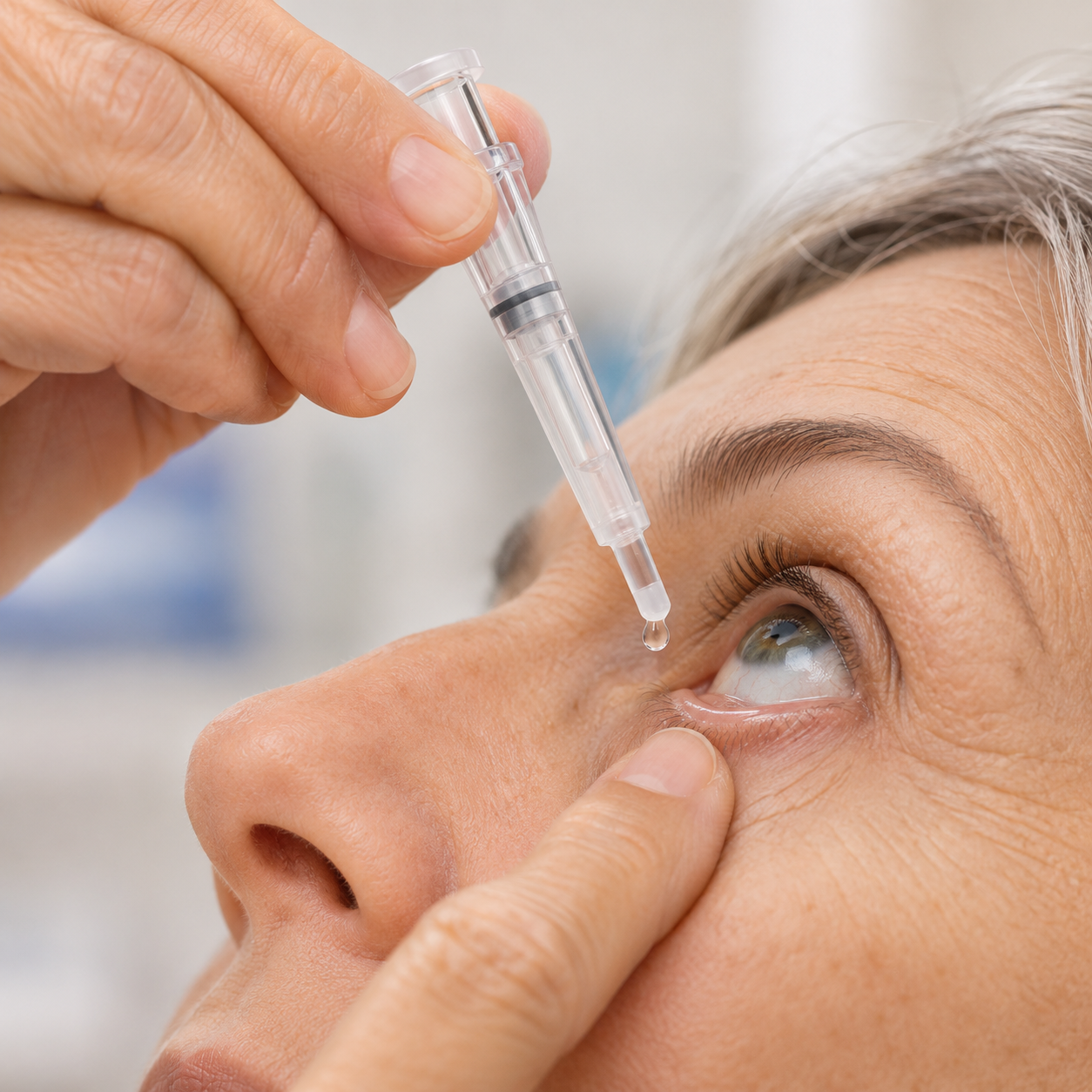
- Labeled course: One drop in each affected eye, six times daily at two-hour intervals, for eight weeks.
- Follow-up: We monitor your cornea during treatment and reassess healing and ongoing care afterward.
How Oxervate Works
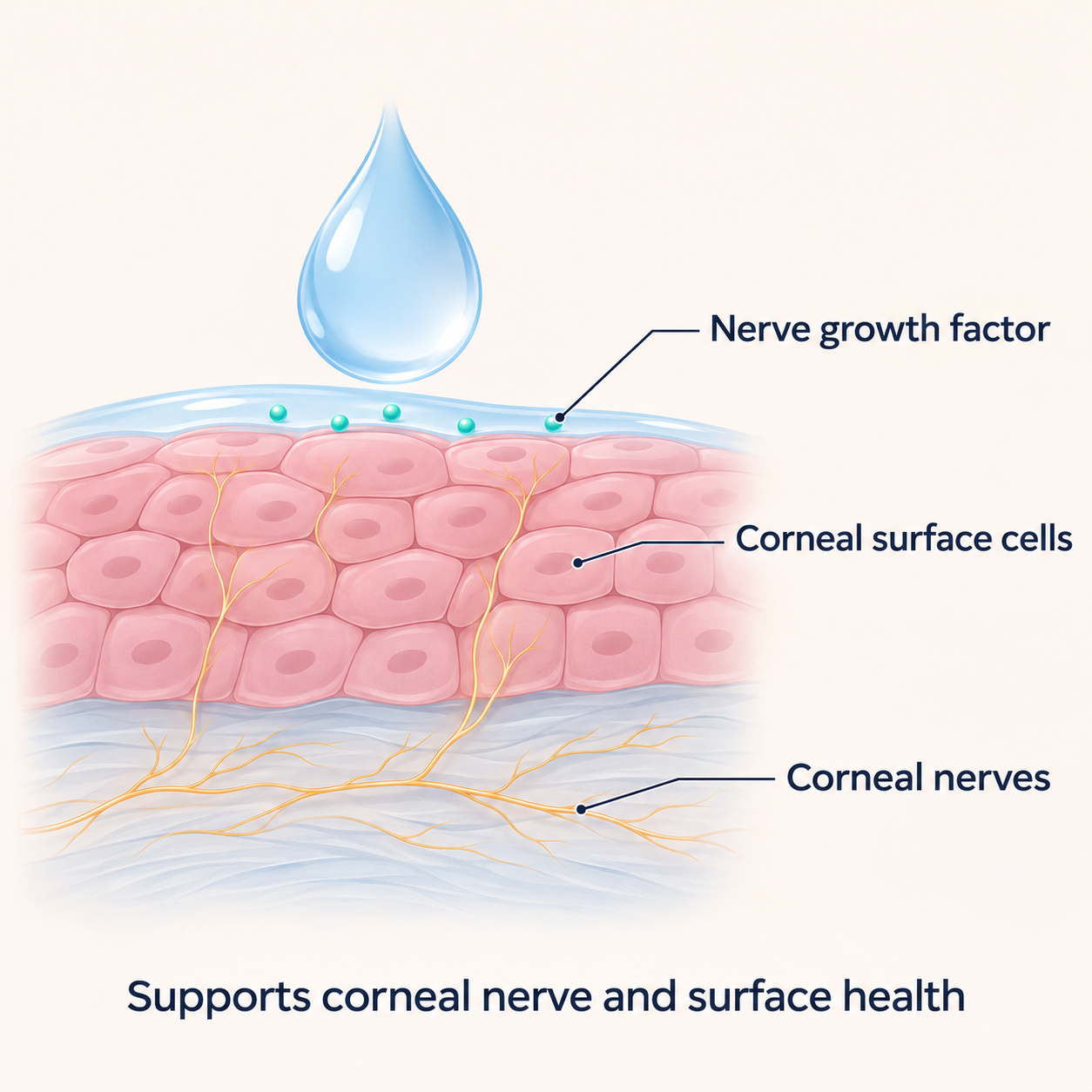
Oxervate contains cenegermin-bkbj, a laboratory-produced form of human nerve growth factor. This protein is involved in maintaining nerve cells and supporting the health of the corneal surface. Delivered as eye drops, the medicine helps support healing in neurotrophic keratitis.
Oxervate is an FDA-approved manufactured prescription medicine, rather than a compounded preparation or an ordinary lubricating drop. Its FDA-approved indication is neurotrophic keratitis. We explain why it is being prescribed and monitor the cornea’s response throughout treatment.

Oxervate Benefits and Limitations
The main treatment goal is to heal the damaged corneal surface. The pivotal approval trials studied neurotrophic keratitis. In a randomized clinical trial, more patients achieved corneal healing with cenegermin than with the comparison drops, which contained no active medicine. These results do not establish the same benefit for off-label uses.
Healing does not necessarily mean normal sensation or vision has returned, and the condition can recur. We assess your progress during and after treatment and discuss any ongoing protection or additional care your eye needs.
Who Is Oxervate Treatment For?
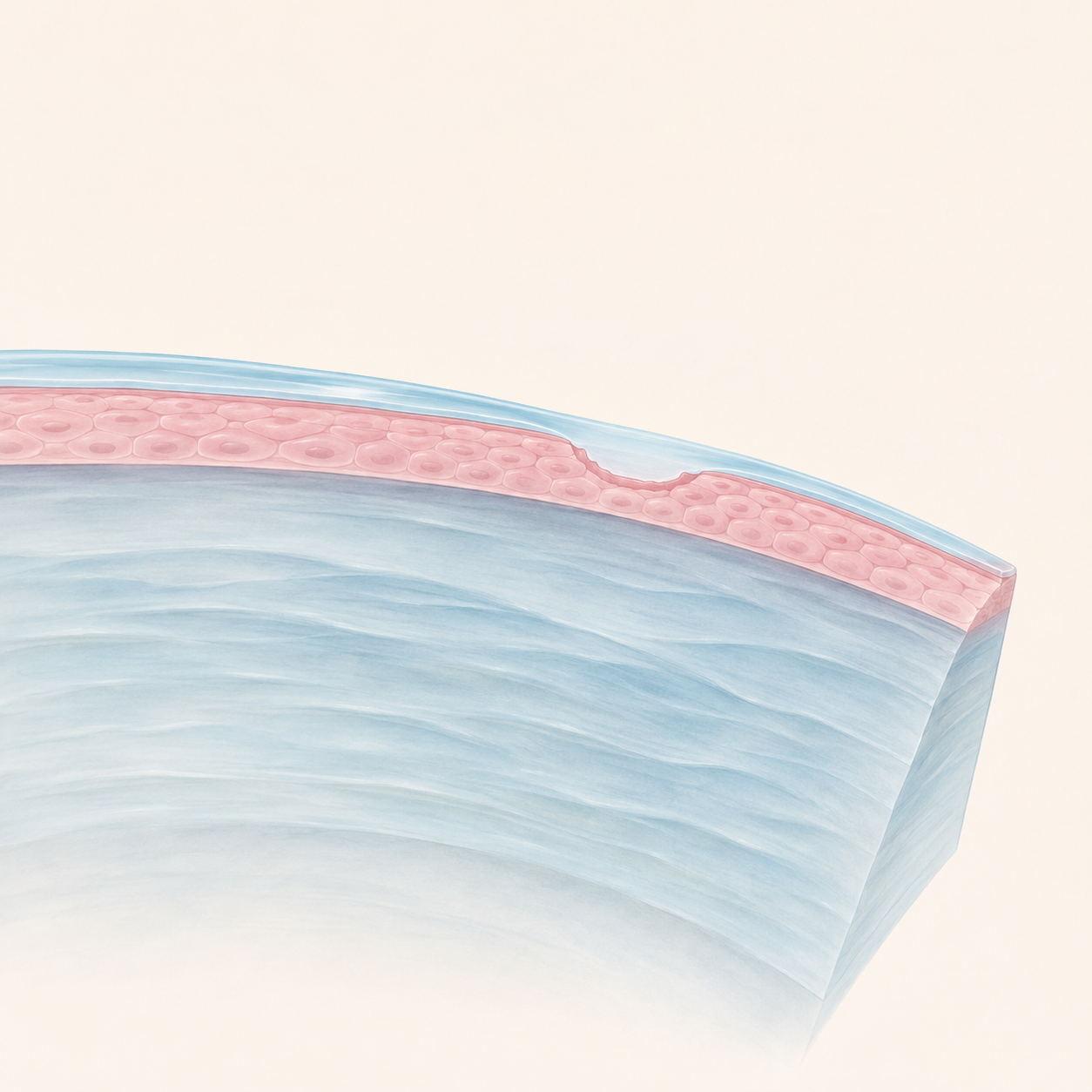
Oxervate is an option for neurotrophic keratitis. This can develop after herpes-related eye disease, nerve injury or other problems affecting corneal sensation. Dr. Rapoport also considers selected off-label use for persistent epithelial defects (areas where the surface has not healed), other corneal breakdown and very severe dry eye. This can include damage associated with incomplete eyelid closure, such as after Bell’s palsy. The diagnosis determines whether a use falls within the approved indication.
Bring your eye-treatment history and a list of your medicines. Tell us about any eye infection, contact lens use, pregnancy or breastfeeding. We review these details alongside your examination and discuss how the daily treatment schedule will fit your routine.

Starting Oxervate Treatment
We begin with a corneal examination and a review of your previous care. If Oxervate fits your diagnosis, we discuss why it is being prescribed, the dispensing process and follow-up. Insurance authorization may be needed; coverage and patient cost vary. Before starting, make sure you understand how to prepare and administer the drops using the supplied delivery system.
The labeled course for neurotrophic keratitis is one drop in each affected eye six times daily, at two-hour intervals, for eight weeks. Follow your prescription. Treatment takes place at home, with office checks to assess healing. The medicine has specific refrigeration, preparation and disposal requirements; follow the instructions supplied with your prescription.
Using Oxervate and Monitoring Your Progress
Eye pain, redness, inflammation and increased tearing can occur during treatment. Contact us promptly for worsening symptoms, a change in vision or signs of an eye infection. Keep your scheduled corneal checks, even if your eye feels comfortable.
Use the supplied delivery system and a fresh pipette for each eye and each dose. Follow the Oxervate prescribing information and patient instructions for storage, preparation and disposal. We review your progress and discuss any further care after the eight-week course.

Oxervate Care with Dr. Rapoport in NYC
Dr. Yuna Rapoport, MD, MPH, is a board-certified ophthalmologist with fellowship training in corneal and refractive surgery at Mass Eye and Ear of Harvard Medical School. She has also led clinical trials of dry eye medicines.
At Manhattan Eye, Dr. Rapoport assesses your corneal surface, sensation and healing needs to determine whether Oxervate fits your diagnosis, including selected off-label prescribing. We review your treatment history, explain the care plan and monitor healing so that the next steps reflect your eye’s progress.
Frequently Asked Questions
Oxervate: Frequently Asked Questions
Can Oxervate be prescribed for severe dry eye or other corneal problems?
Oxervate is FDA-approved for neurotrophic keratitis. Dr. Rapoport also considers it for selected other corneal-healing problems and very severe dry eye. Use outside the approved indication is off-label, meaning the FDA has not approved it for that condition. It is not a routine lubricating drop; we assess your cornea and diagnosis before recommending it.
Can I use other eye drops or wear contact lenses?
If you wear contact lenses, remove them before each dose and wait 15 minutes before reinserting them. Separate Oxervate from other eye drops by at least 15 minutes, and use it 15 minutes before eye ointments or gels. We review your medicines and any prescribed therapeutic lens before you begin.
How should I store Oxervate?
Refrigerate the weekly carton within five hours of delivery and follow the storage and preparation instructions supplied with your medicine. Each opened vial must be discarded after 12 hours, even if solution remains. Follow the complete patient instructions for temperature limits and safe handling.
What happens after the eight-week course?
We reassess the corneal surface and discuss whether you need continued monitoring or other treatment. The course does not automatically end all eye care. Further treatment depends on healing, the underlying condition and any recurrence.


Discuss Your Corneal Healing with Dr. Rapoport
Schedule an evaluation at Manhattan Eye to understand your diagnosis and whether Oxervate belongs in your treatment plan.