Radiofrequency Dry Eye Treatment in NYC
Radiofrequency (RF) therapy uses controlled heat to help oil flow from blocked eyelid glands in MGD-related dry eye. At Manhattan Eye, we assess your tear film and gland function to decide whether RF fits your symptoms and ongoing care.
Understanding Gland-Related Dry Eye
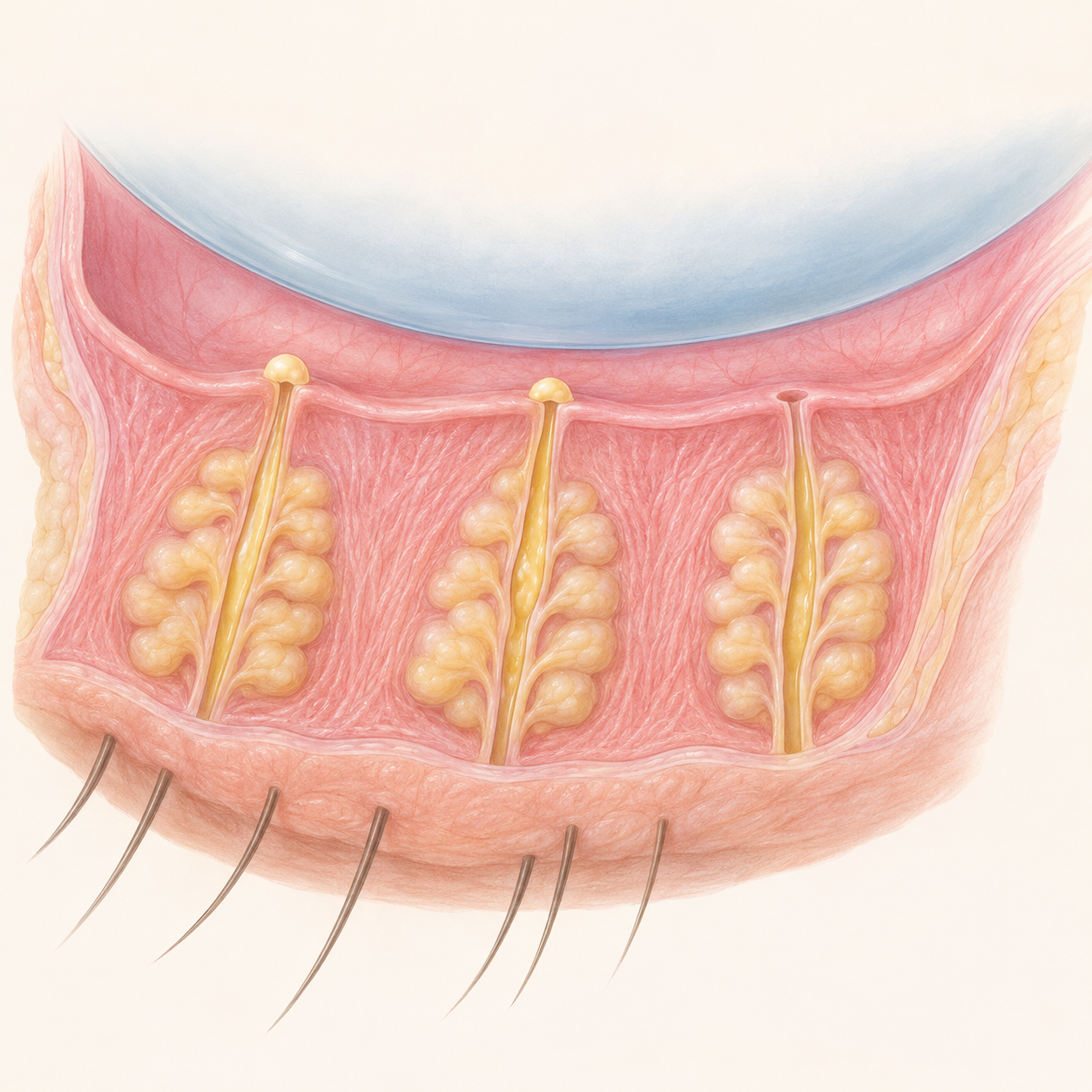
Your eyelids contain meibomian glands that supply the oil layer of your tears. This layer helps slow evaporation between blinks. When the oil thickens or the gland openings become blocked, your tear film can become unstable, causing dryness, burning and fluctuating vision.
This is called meibomian gland dysfunction, or MGD. We examine your eyelids, gland secretions and tear film to understand what is contributing to your symptoms. RF is one option for addressing the gland-related part of your care.
RF at a Glance
- Treatment type: A non-surgical office procedure using controlled heating around the eyelids.
- Targets: Thickened oil and impaired gland flow in selected cases of MGD-related dry eye.
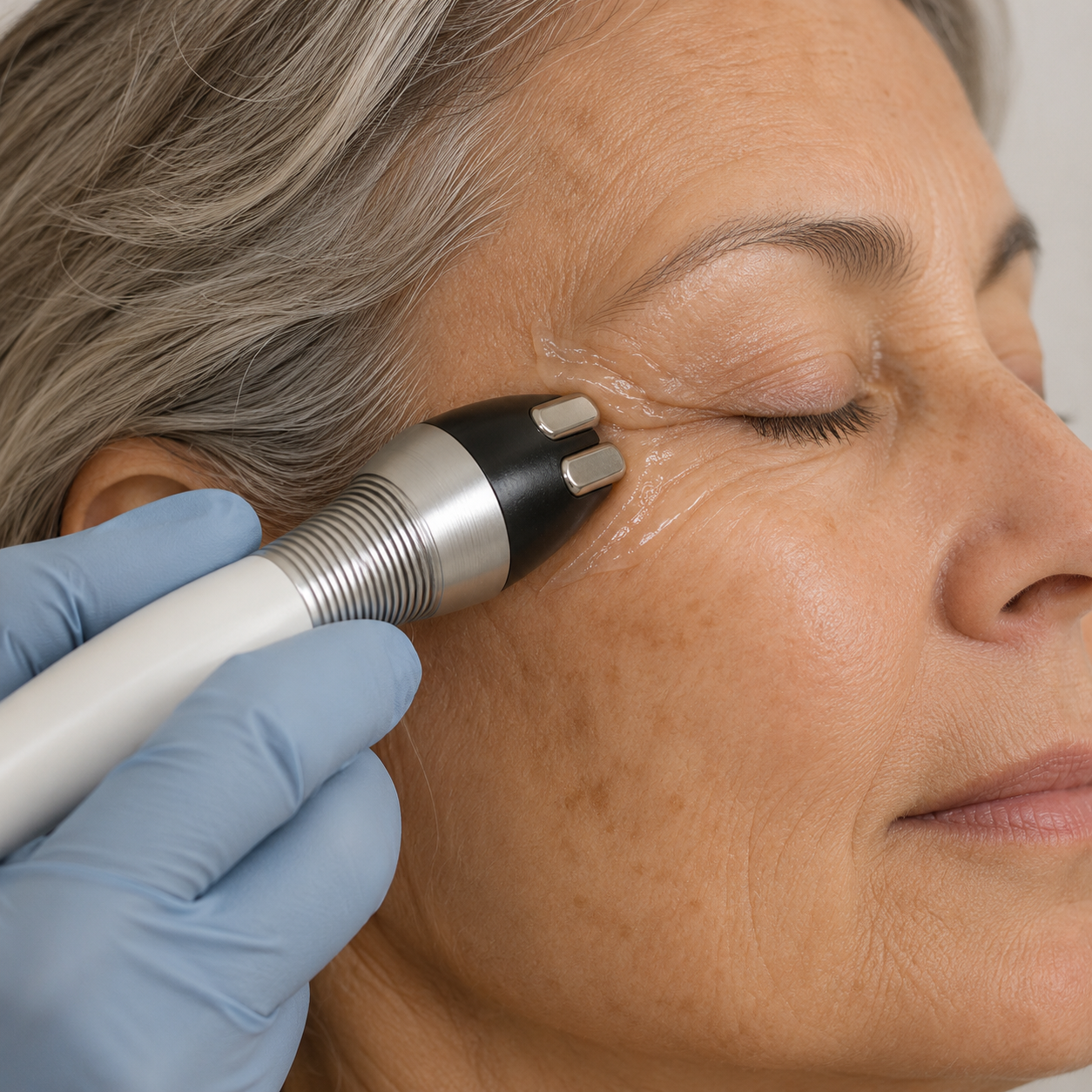
- What to expect: Gel, a warming treatment and meibomian gland expression; RF sessions typically last 20 to 40 minutes.
- Follow-up: We review your symptoms and gland function to guide ongoing care.
How RF Helps Oil Flow from Your Eyelid Glands
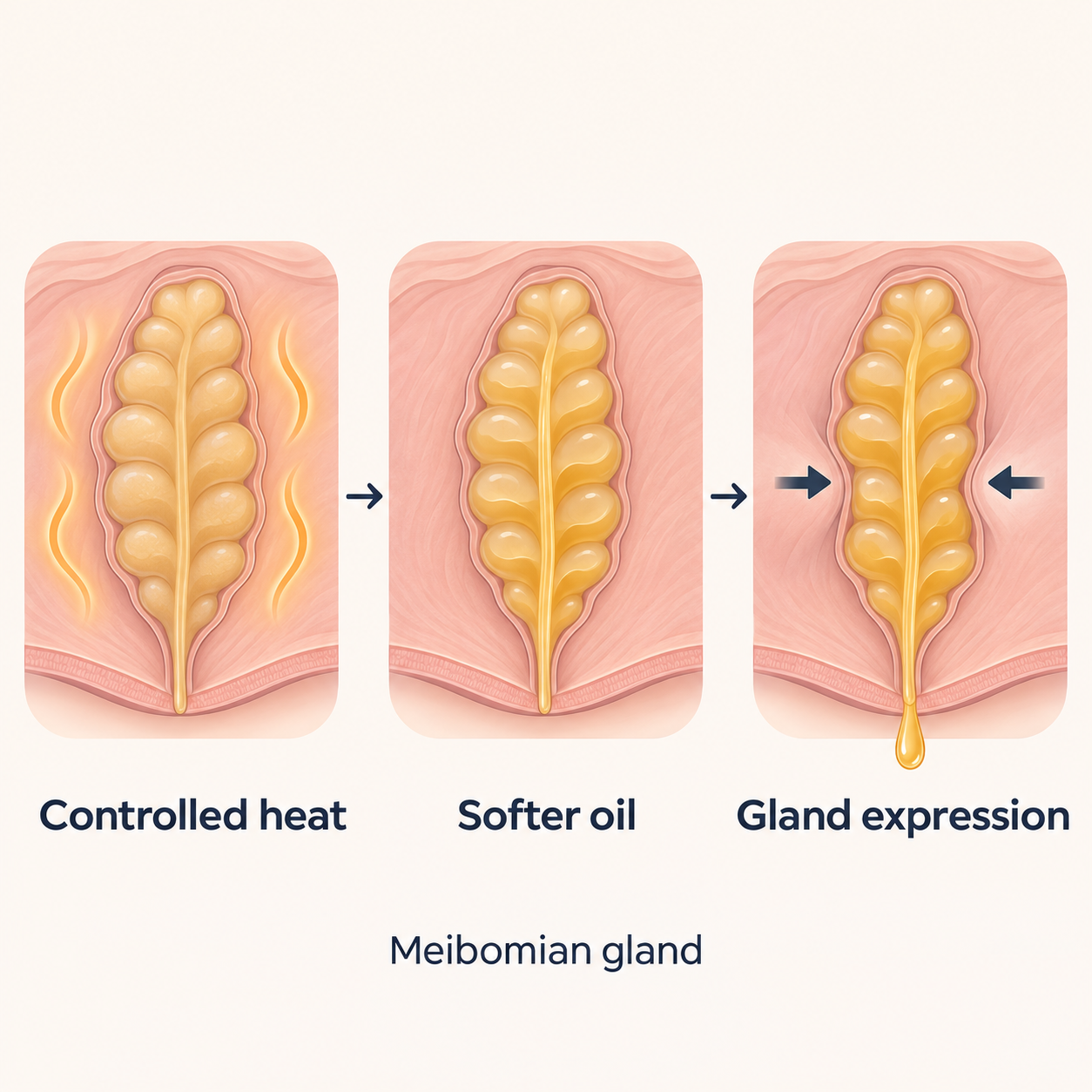
RF uses high-frequency electrical energy to produce controlled heating in tissue around your eyelids. The warmth helps soften thickened oil within the meibomian glands so it can flow more easily. These glands provide the oil layer that helps protect your tears from evaporating too quickly.
We follow the heating step with meibomian gland expression, applying pressure to your eyelids to help release the softened oil. Heating and expression have different roles: one softens the secretions, while the other helps move them out of the glands. We assess your gland function and tear film to decide whether this approach fits your eyes.

Potential Benefits and Realistic Expectations
Early studies of RF followed by gland expression have reported improvements in symptoms and measures of gland function. RF research is still developing, and many studies assess heating and expression together.
We often plan a touch-up around a year after treatment, depending on the extent of your gland dysfunction, how long the glands have been blocked and your response. Results vary, and your plan can continue to include prescribed drops, warm compresses or lid care according to your needs.
Who Is RF Treatment For?
RF is a treatment option for dry eye linked to thickened gland oil or reduced oil flow. If dryness, burning or fluctuating vision keeps returning, we can assess your eyelid glands and explain how RF fits into a plan focused on your comfort.
At your consultation, tell us about any pacemaker or other implanted device, implants or tattoos near the treatment area, recent procedures and current medicines. We review these details alongside your eye examination to recommend appropriate care and explain any precautions.
What to Expect at Your RF Visit
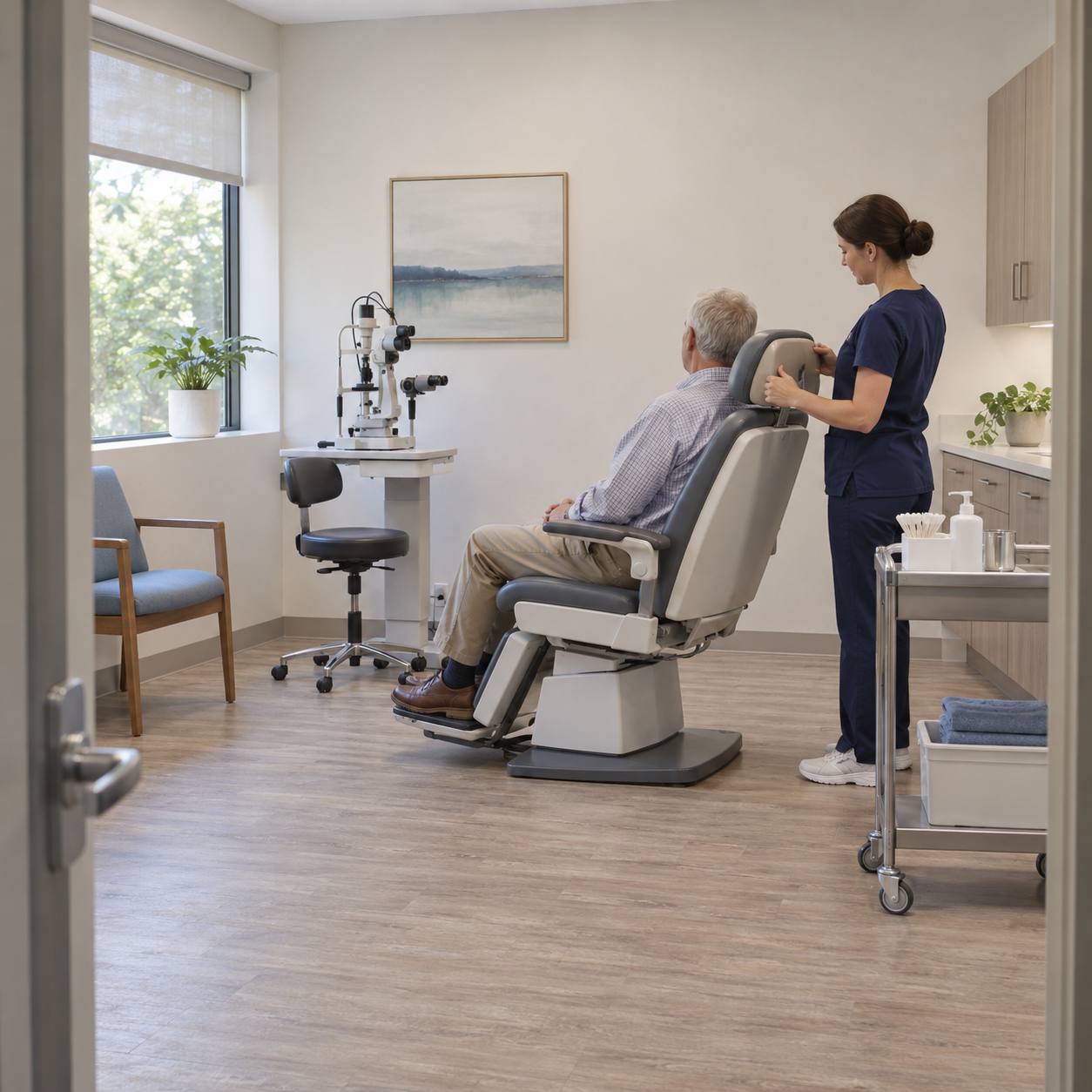
RF sessions typically last 20 to 40 minutes. We explain the treatment and ask you to remove contact lenses if needed. You recline in an examination chair while we apply gel to the treatment area and prepare the protective measures for your eyes.
We move the RF handpiece over the planned eyelid area to provide controlled warmth, then clean away the gel and perform meibomian gland expression to help release oil. You can speak to us throughout the procedure. Tell us if you feel discomfort or excessive heat so we can assess it.
Aftercare, Risks and Follow-Up
We will explain the skin care and activity guidance relevant to your treatment. Temporary warmth, redness, swelling or discomfort can occur. RF also carries a risk of burns and other heat-related skin injury, making appropriate screening and protective measures important.
Contact us promptly if you develop significant eye pain, a change in vision or worsening symptoms. At follow-up, we assess your comfort, tear film and gland function to guide the next steps. Continue prescribed drops and home care unless we advise otherwise.

RF Dry Eye Treatment with Dr. Rapoport
Dr. Yuna Rapoport, MD, MPH, is a board-certified ophthalmologist with fellowship training in corneal and refractive surgery at Mass Eye and Ear of Harvard Medical School. She has also led clinical trials of dry eye medicines.
At Manhattan Eye, Dr. Rapoport assesses your eyelid glands, tear film and previous treatment to decide how RF and gland expression fit your care. We explain the procedure, review safety considerations and use follow-up findings to guide your ongoing dry eye plan.
Frequently Asked Questions
RF Dry Eye Treatment: Frequently Asked Questions
How is RF different from warm compresses?
Warm compresses transfer heat from a warm surface to your eyelids as part of home care. RF generates heat within tissue using electrical energy during an office procedure, followed by gland expression. We can explain how each fits your plan; RF does not automatically replace home care.
Can RF and IPL be used together?
Yes, we may recommend them together when your examination supports it. RF uses electrical energy to heat tissue, while IPL uses light to address inflammatory changes around the glands. Learn more about IPL and RF together. A combination is an individual decision.
Will I still need eye drops or warm compresses?
Your plan may still include drops, warm compresses or lid hygiene. RF addresses the gland-related part of dry eye care, while other treatments can support different needs. We review your response before recommending changes to your routine.
How is RF different from BlephEx?
BlephEx mechanically cleans the eyelid margins to remove biofilm and debris. RF uses controlled heating to help thickened gland oil flow, followed by gland expression. These approaches have different roles; we assess your eyelids and tear film to decide which treatments fit your needs.


Discuss RF Treatment for Your Dry Eye
Schedule an evaluation at Manhattan Eye to understand your gland function and whether RF fits your dry eye treatment plan.