
Regenerative Amniotic Membrane Treatment in NYC
Amniotic membrane treatment uses a thin layer of processed donated tissue to support healing of the eye’s surface. At Manhattan Eye, Dr. Yuna Rapoport assesses your cornea to determine whether this treatment fits your needs.
Amniotic Membrane Care for the Eye’s Surface
Persistent dryness and irritation can be associated with damage to the cornea, the clear front surface of your eye. Regenerative medicine includes approaches intended to support tissue repair. Amniotic membrane treatment is one way to support the eye’s healing processes; it is different from transplanting living stem cells.
The membrane is a thin layer of donated placental tissue, screened and processed for medical use. CAM360 and Prokera are two products that offer different placement options. We assess your corneal surface and the factors affecting healing to select the product and approach for your needs.
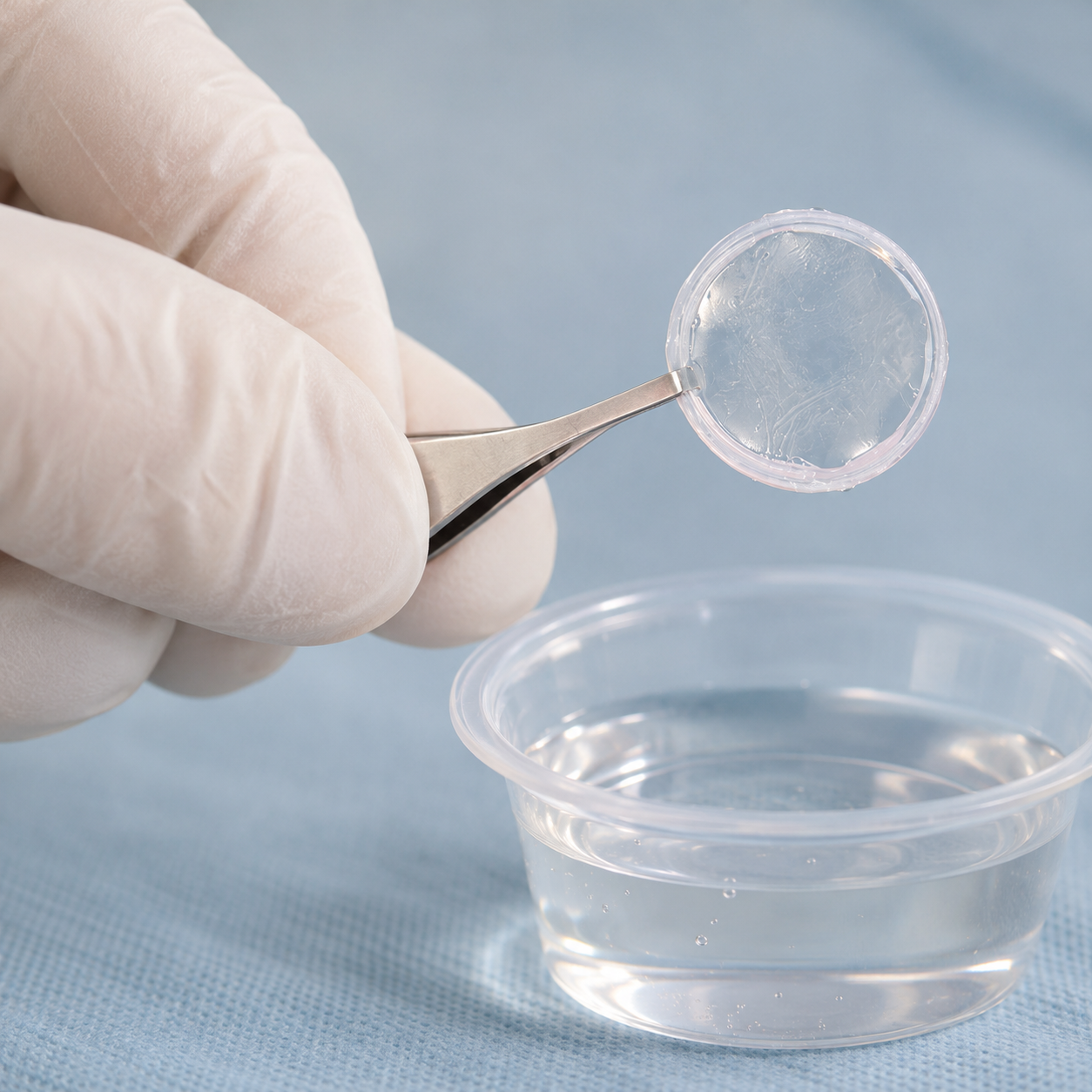
Amniotic Membrane Treatment at a Glance
- Treatment type: A temporary amniotic membrane treatment, with placement selected for your eye.
- Treatment goal: Support eye-surface healing in selected conditions.
- Options: CAM360 beneath a bandage contact lens or rolled into the lower-eyelid pocket, or ring-supported Prokera.
- Follow-up: We check healing and arrange review and any required removal according to the product and placement method.
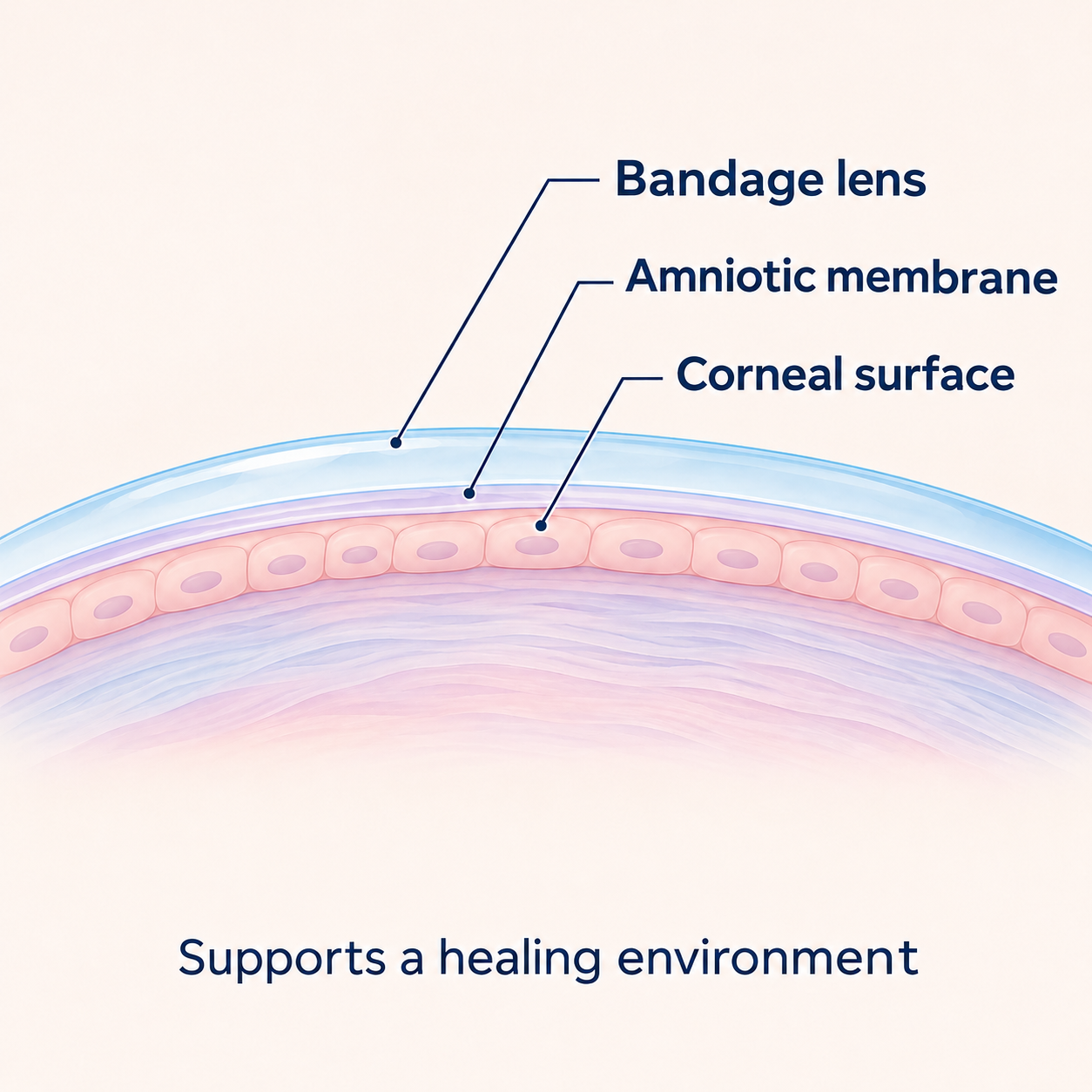
How CAM360 and Prokera Support Healing
Amniotic membrane contains a tissue structure and preserved biological components that support an environment for eye-surface repair. When placed over the cornea, it also acts as a protective biological dressing. The treatment supports your eye’s healing processes rather than transplanting living stem cells.
CAM360 can be placed over the cornea beneath a soft bandage contact lens, or rolled into the pocket inside the lower eyelid. Prokera holds the membrane within a supporting ring. Dr. Rapoport chooses the product and placement for your eye, with a follow-up plan tailored to the method used.

Amniotic Membrane Treatment: Benefits and Limitations
The treatment aims to improve the condition of the corneal surface and ease discomfort associated with surface damage. Clinical reports describe improvements in symptoms and surface staining after amniotic membrane treatment, including a small CAM360 study in patients with selected eye-surface conditions.
The extent and duration of improvement depend on the diagnosis and the rest of your care. The published studies use different products and treatment methods, so their results do not predict an individual outcome. We monitor healing and continue to address the underlying cause of dryness or poor surface recovery.
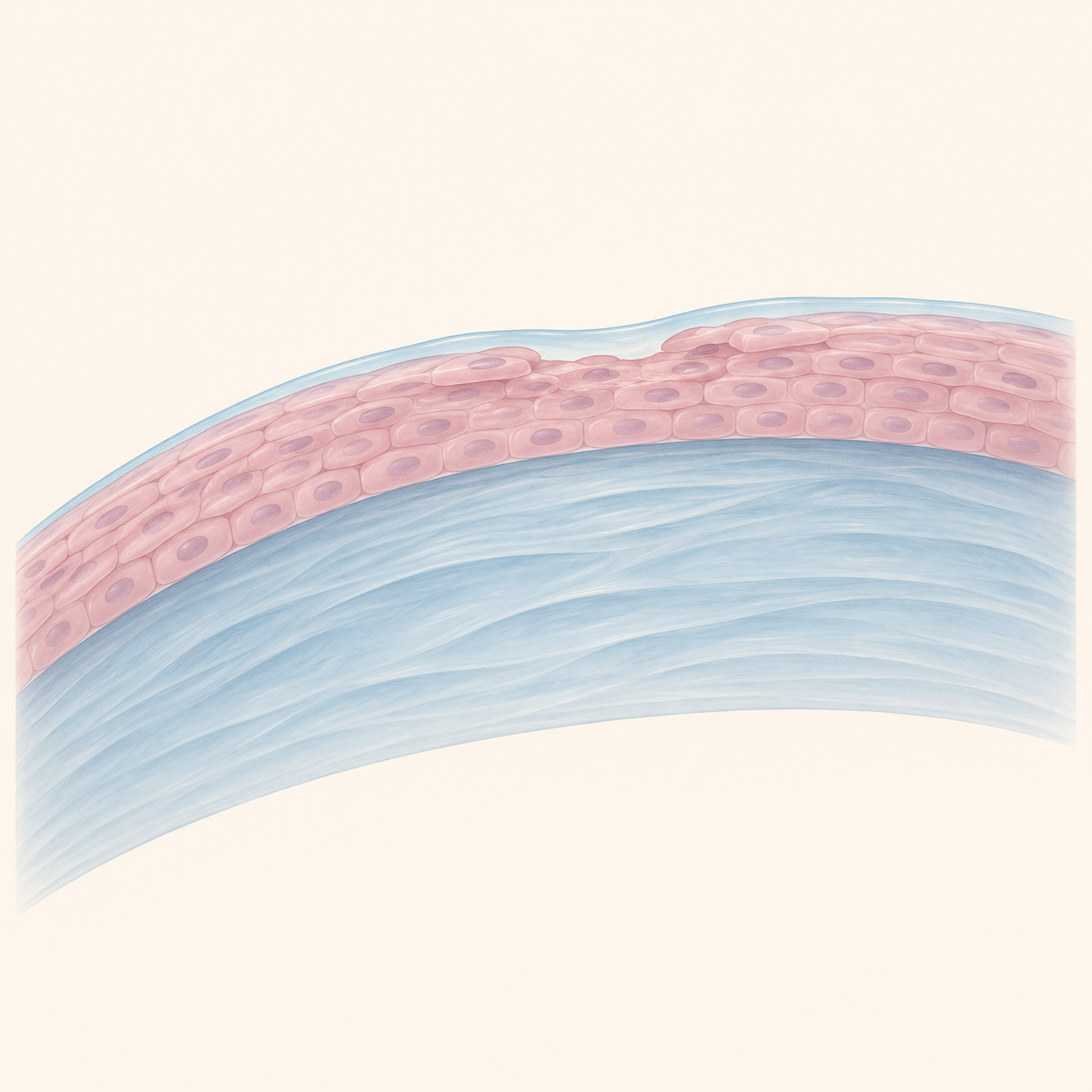
Who Is Amniotic Membrane Treatment For?
Amniotic membrane treatment is an option for selected patients with dry eye and corneal surface damage or problems with healing. CAM360 is considered for certain superficial surface conditions, while Prokera or another approach can be more appropriate for different or deeper damage. Your examination guides that choice.
Tell us about previous eye surgery, herpes-related eye infections, glaucoma procedures or drainage implants, and allergies to medicines or treatment materials. Also tell us if you use CPAP for sleep apnea or have floppy eyelids. We assess eyelid closure and stability when selecting the product and placement method.
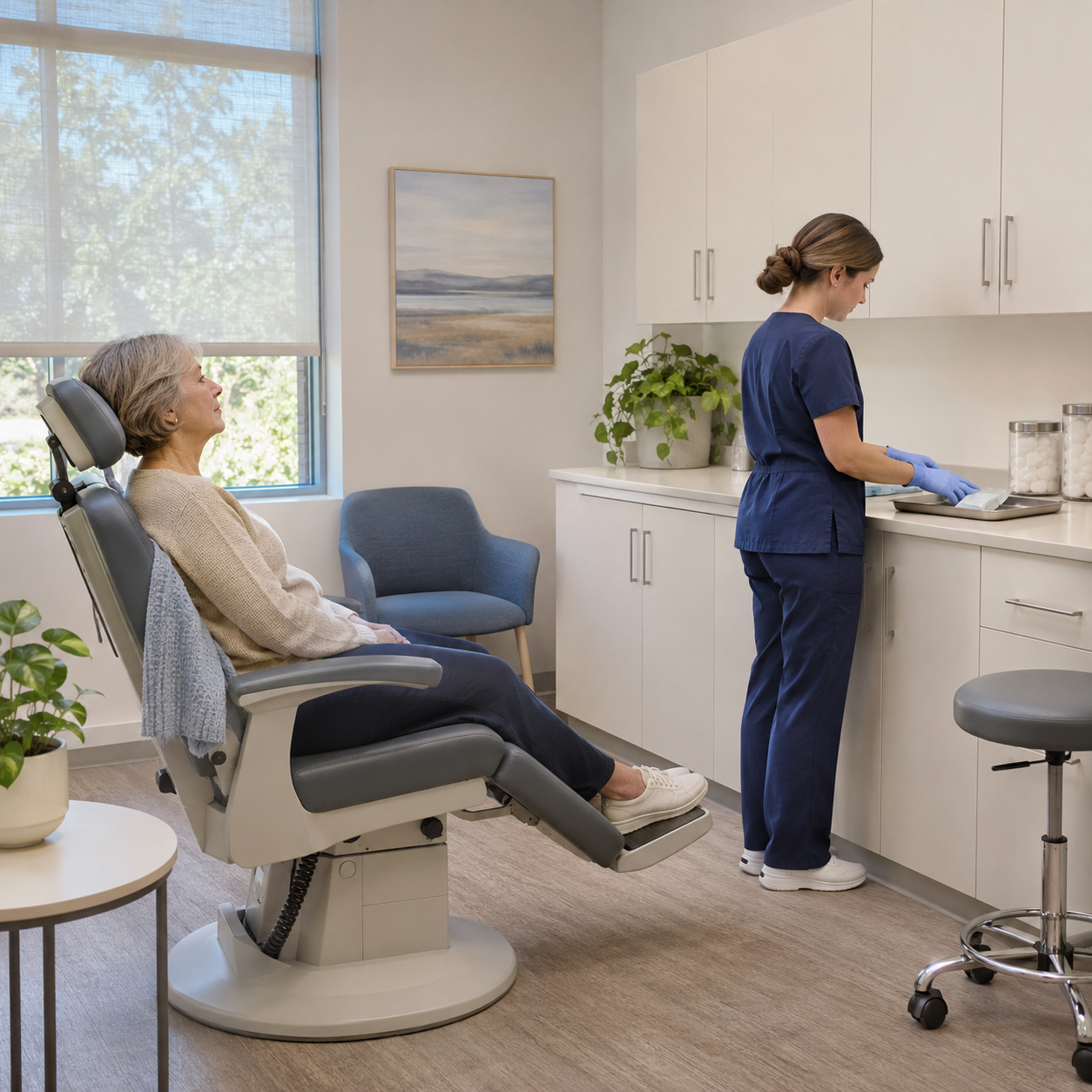
What to Expect at Your Treatment Visit
We examine your eye and discuss the selected product, placement and follow-up plan. Office placement does not require an incision into the eyeball or stitches. Numbing drops can be used for comfort before we place the membrane using the selected method.
You can experience temporary blurred vision, watering or a sensation of something in the eye while the treatment is in place. Before you leave, we give you instructions for drops, activities and review. Arrange transport if your vision will be affected, and do not drive with impaired vision.
After Your Amniotic Membrane Treatment
Follow the drop schedule and care instructions for your selected product and placement. Avoid rubbing the eye or exposing it directly to water. Do not reposition or remove the membrane or any supporting lens or ring yourself. If it moves or comes out, contact us for instructions.
Discomfort, irritation and infection are possible. Donor screening and tissue processing reduce, but do not eliminate, the risk of infection transmission. Contact us promptly for increasing pain, redness, discharge or worsening vision. We check healing and arrange any required removal according to your treatment plan.

Regenerative Eye-Surface Care with Dr. Rapoport in NYC
Dr. Yuna Rapoport, MD, MPH, is a board-certified ophthalmologist with fellowship training in corneal and refractive surgery at Mass Eye and Ear of Harvard Medical School. She has also led clinical trials of dry eye medicines.
At Manhattan Eye, Dr. Rapoport assesses your corneal surface and the factors affecting its recovery to determine whether CAM360, Prokera or another treatment fits your needs. We select care for your diagnosis, provide a product-specific aftercare plan and monitor your progress.
Frequently Asked Questions
CAM360 and Prokera: Frequently Asked Questions
How does amniotic membrane treatment relate to stem cell therapy?
Regenerative medicine covers different approaches to supporting tissue repair, including research involving stem cells. Researchers are studying stem cell-based approaches for selected eye conditions in clinical trials. The CAM360 and Prokera treatments described here use processed amniotic membrane, not a transplant of living stem cells. The manufacturer describes the tissue cells as devitalized, meaning they are no longer living. Here, regenerative care means supporting the eye’s healing processes.
What is the difference between CAM360 and Prokera?
CAM360 is ringless. We can place it beneath a bandage contact lens over the cornea or roll it into the pocket inside the lower eyelid. Prokera incorporates a supporting ring. Dr. Rapoport chooses the product and placement according to your corneal findings, eyelid stability and treatment needs; their care instructions are not interchangeable.
How long does amniotic membrane treatment stay in place?
Treatment is temporary. The wear period depends on the product, placement method and your eye’s response. We set your review plan and any required removal before treatment. Prokera’s supporting ring needs removal even when its membrane has dissolved.
Will I still need eye drops after treatment?
Drops can remain part of your care during and after membrane treatment. Supporting surface healing does not necessarily resolve the condition that caused the damage. We reassess your eyes and decide which medicines or other treatments you need to continue.


Discuss Amniotic Membrane Treatment at Manhattan Eye
Schedule an evaluation with Dr. Rapoport to determine whether CAM360 or Prokera fits your eye-surface care needs.