Autologous Serum Tears (Eye Drops) in NYC
Autologous serum tears, also called autologous serum eye drops, are prepared from your blood to support the health of the eye’s surface. For persistent dry eye or selected corneal conditions, they offer an individualized treatment option. At Manhattan Eye, Dr. Yuna Rapoport assesses your eyes to determine whether serum tears are the right treatment for your needs.
What Are Autologous Serum Tears?
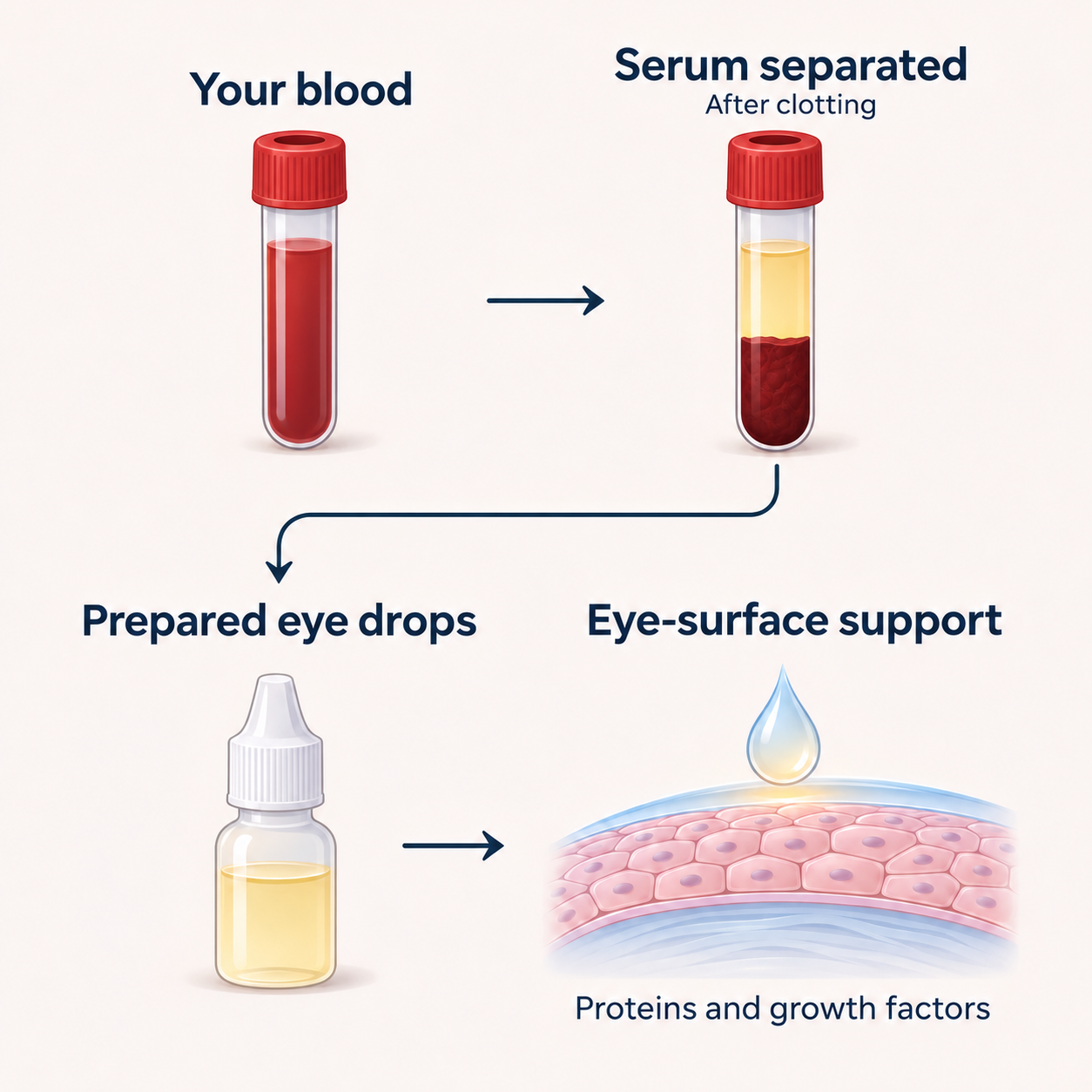
Autologous means the preparation comes from your body. Serum is the liquid separated from blood after it has clotted. It contains proteins, growth factors and other components involved in maintaining a healthy eye surface.
We arrange your serum tears through a specialty laboratory, pharmacy and blood collection service. We consider them when your eye surface needs additional support and review the practical steps, from blood collection to storing and using your drops.
Autologous Serum Tears at a Glance
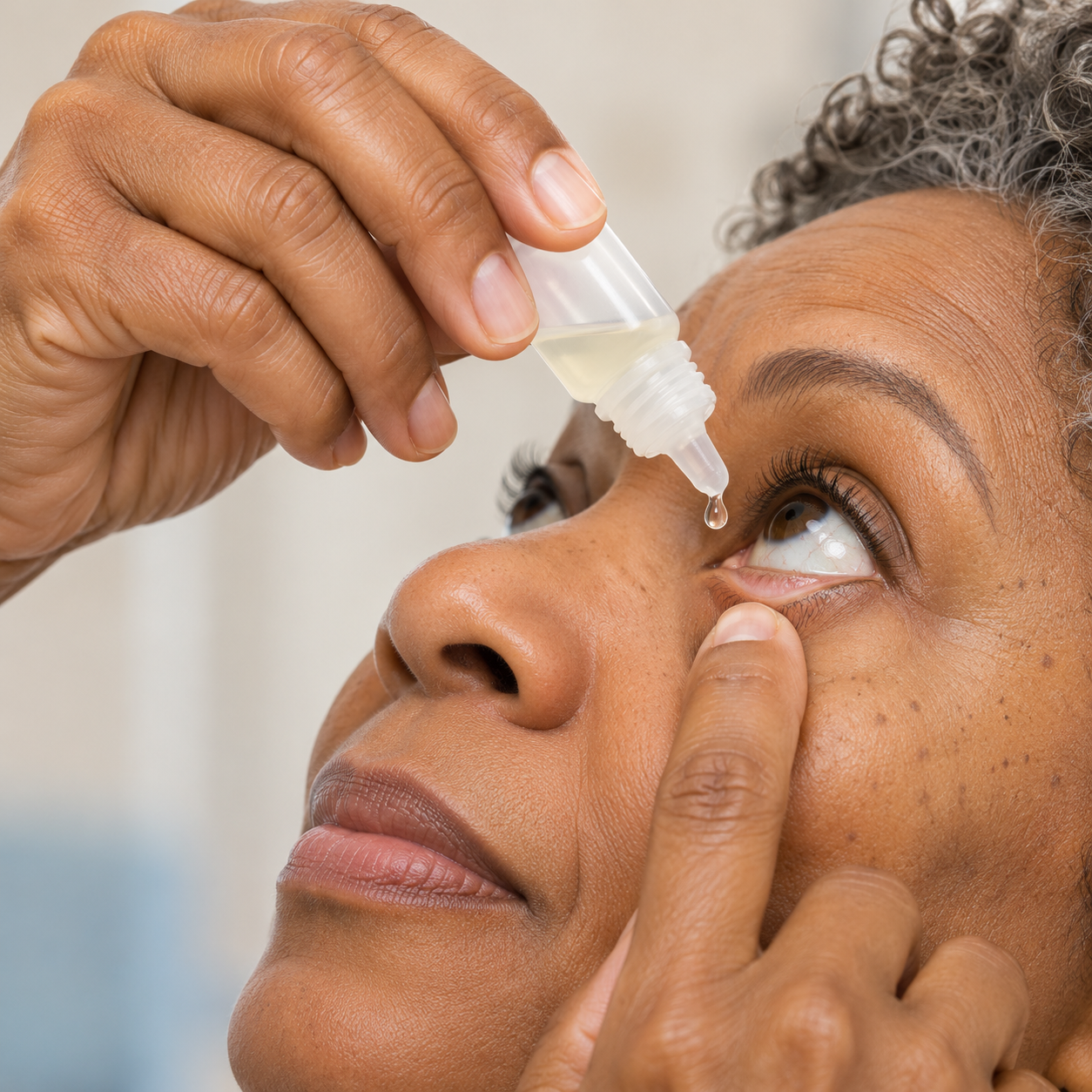
- Treatment type: Prescription eye drops prepared using serum from your blood.
- Treatment goal: Support eye-surface health and comfort in selected dry eye and corneal conditions.
- What is involved: Blood collection arranged through an external service, specialist preparation and use according to your prescription.
- Follow-up: We assess your response and review ongoing treatment and supply needs.
How Autologous Serum Tears Work
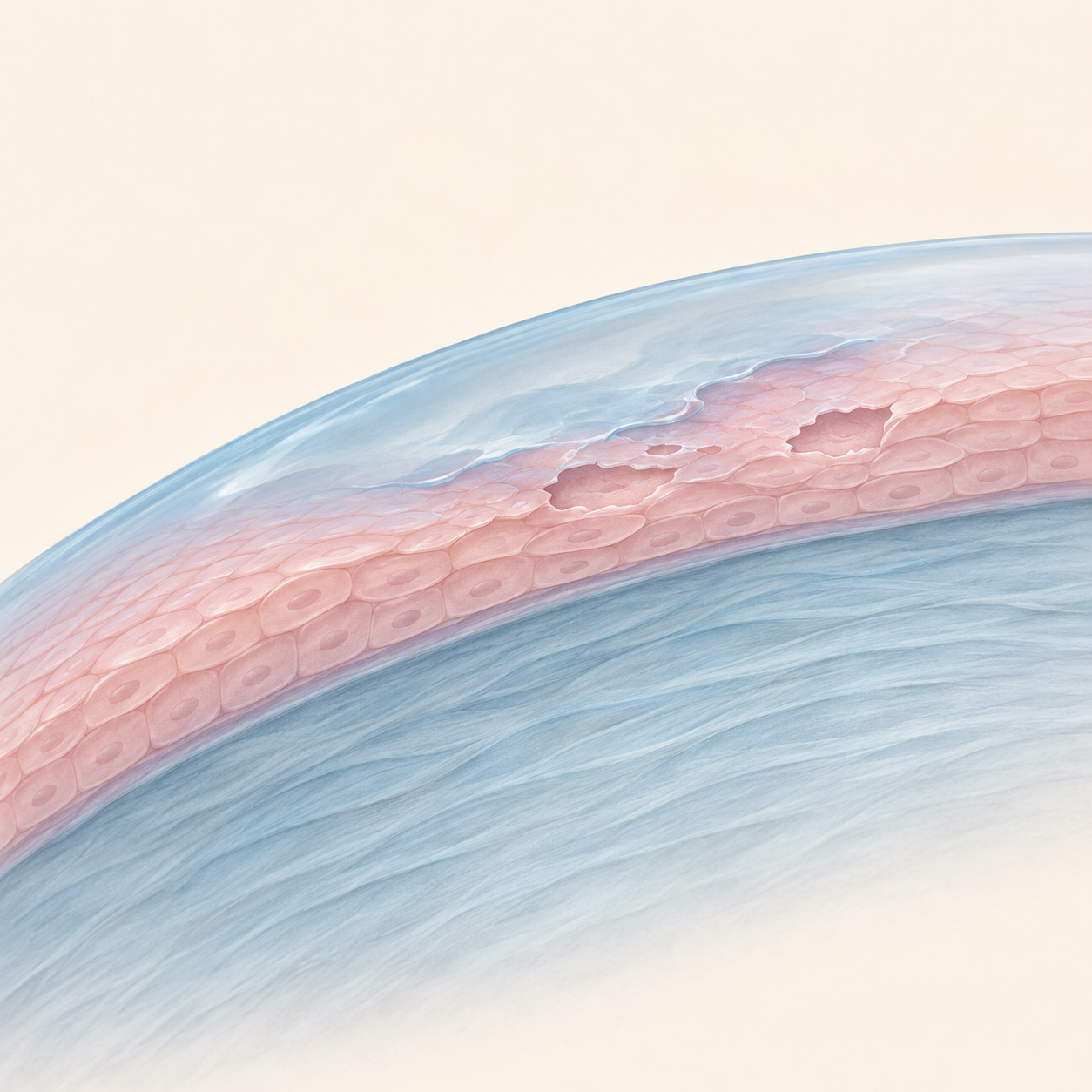
After collection through a blood collection service, a specialty laboratory or pharmacy separates the serum and prepares your eye drops. Serum contains substances also found in natural tears, including vitamin A, fibronectin and growth factors. These components provide support for the cells covering the cornea and surrounding eye surface.
When persistent dryness disrupts this surface, serum tears help provide an environment that supports repair of its outer cell layer. The aim is a healthier, more stable eye surface and improved comfort. We monitor changes in the surface itself, as well as how your eyes feel, to assess whether treatment is helping.

Autologous Serum Tears: Benefits and Limitations
Serum tears are used to support surface healing and improve comfort in selected patients. Clinical studies have reported improvements in dry eye symptoms and measures of eye-surface damage, including in patients with persistent symptoms despite conventional treatment.
The response depends on your diagnosis and the preparation used. Studies use different concentrations and treatment schedules, so their findings do not establish one formula for everyone. We assess changes in both your symptoms and examination findings and discuss which other treatments remain useful.
Who Are Autologous Serum Tears For?
Serum tears are an option for persistent or more severe dry eye and selected problems with corneal surface healing. This can include severe dryness associated with Sjögren’s disease. We examine your tear film and cornea and review the treatments you have already tried.
Treatment also needs to be practical for you. Tell us about anemia, difficulty with blood draws, relevant medical conditions and your current medicines. We consider whether blood collection, regular dosing and the required storage arrangements fit your health and daily routine.

Starting Autologous Serum Tears
We begin with an eye examination and discuss why serum tears fit your treatment needs. We arrange your blood draw and preparation through a collection service, a specialty laboratory and a pharmacy. Your prescription sets the formulation and how often to use it.
Before starting, check the collection arrangements, how you will receive the drops and the dispensing instructions. You use the drops at home and return for checks so we can assess your eye surface and symptoms. Further blood collection may be needed for a renewed supply.
Using Your Serum Tears and Follow-Up
Follow the pharmacy’s instructions for storage, use and disposal. Wash your hands before use and keep the dropper tip from touching your eye, skin or other surfaces.
A blood draw can cause bruising or discomfort, and the drops can cause irritation. Contamination can lead to an eye infection. Contact us promptly for increasing pain, redness, discharge or reduced vision. We monitor your response and review whether to continue, adjust or stop treatment.
Autologous Serum Tears with Dr. Rapoport in NYC
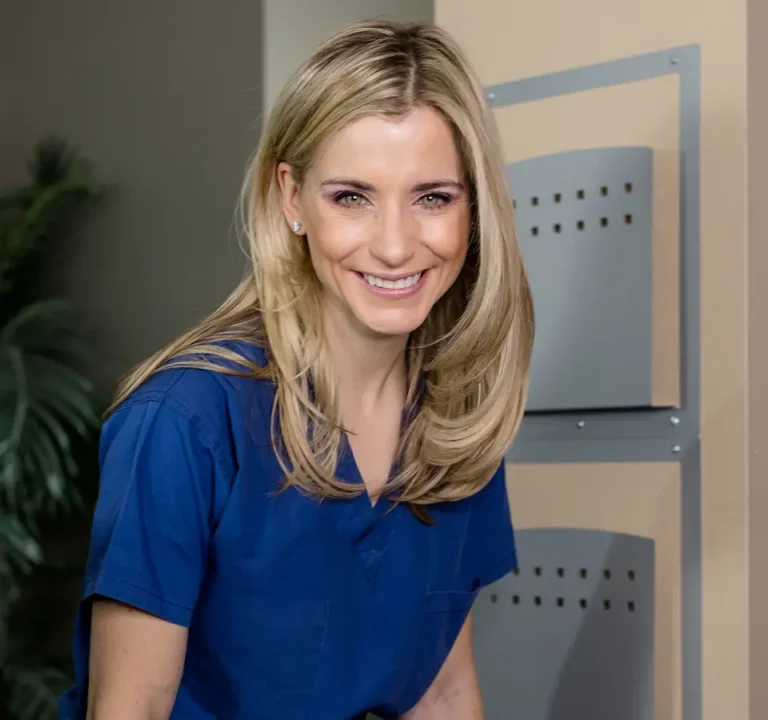
Dr. Yuna Rapoport, MD, MPH, is a board-certified ophthalmologist with fellowship training in corneal and refractive surgery at Mass Eye and Ear of Harvard Medical School. She has also led clinical trials of dry eye medicines.
At Manhattan Eye, Dr. Rapoport evaluates your tear film and corneal surface to decide whether serum tears fit your diagnosis. We review previous treatment, discuss the preparation and handling requirements, and monitor your progress as part of your broader eye-care plan.
Frequently Asked Questions
Autologous Serum Tears: Frequently Asked Questions
Are serum tears the same as PRP eye drops?
Both are made from blood, but they are different preparations. Serum is obtained after blood has clotted; PRP is processed to retain or concentrate platelets. The formulation, handling instructions and clinical choice are not interchangeable.
Will I need more than one blood draw?
A new supply can require another blood collection. How often depends on the prescription, the amount prepared and the dispensing service’s storage and expiry limits. Confirm the renewal process before your supply runs low.
How long will I need to use autologous serum eye drops?
There is no single treatment duration for everyone. We assess your symptoms and eye surface at follow-up and discuss whether to continue or adjust the prescription. Your individual response guides ongoing care.
Can autologous serum eye drops be used with other dry eye treatments?
Yes, when they have a role in your care plan. Serum tears support the eye surface, while treatments such as TearCare address oil-gland dysfunction. We review your medicines and other procedures so each part of the plan has a clear purpose.


Discuss Autologous Serum Tears at Manhattan Eye
Schedule an evaluation with Dr. Rapoport to discuss whether autologous serum tears fit your eye-surface needs.